Introduction
In a globe where emergencies can occur anytime, being furnished with the abilities and understanding to respond efficiently is crucial. Whether it's a small injury or a serious circumstance, recognizing first aid can make all the difference. This thorough guide, "Grasping Emergency Situation Feedback: The Ultimate First Aid Course Guide," aims to give understandings into various facets of first aid training, consisting of CPR techniques, mental health and wellness first aid, and the value of getting a first aid certification.
So, are you prepared to study this important understanding? Let's discover the world of emergency feedback and discover how to become skilled in very first aid.
Understanding First Aid: What Is It?
First help describes the prompt treatment provided to a person experiencing a medical emergency situation. This might be anything from administering CPR (cardiopulmonary resuscitation) to treating minor cuts and bruises. The goal of first aid is not just to support the person's condition till professional medical aid gets here yet also to stop additional harm.
The Relevance of First Aid Training
Why should everyone undergo first aid training? Well, consider this: crashes occur on a daily basis-- in your home, in public areas, and also at workplaces. By understanding first aid abilities, you empower yourself and those around you.
- Quick Feedback: Knowing what to do in an emergency situation permits quicker responses. Confidence Building: Training boosts your self-confidence when faced with clinical emergencies. Preventing Problems: Efficient first aid can protect against problems from worsening.
Types of First Aid Flows Available
There are different types of training courses readily available:
- Basic First Aid Program: Covers essential skills needed for daily situations. Advanced First Aid Training course: Provides more complex strategies suitable for professionals. CPR and AED Training: Concentrate on heart emergency situations and defibrillator use. Mental Wellness First Aid Training course: Addresses psychological crises.
DRSABCD: The Crucial Structure for Responding
One of the most recognized frameworks for giving first aid is DRSABCD. Each letter stands for an important action in reacting effectively.
D - Danger
Before aiding any person, inspect your surroundings for any potential dangers that could also place you at risk.
R - Response
Check if the individual is responsive first aid Hervey Bay by delicately trembling their shoulders and asking if they're okay.
S - Send out for Help
If the person is less competent or calls for urgent help, telephone call emergency situation services immediately.
A - Airway
Ensure that the person's air passage is clear. If required, place them appropriately or do rescue breaths if educated to do so.
B - Breathing
Check if they are breathing generally. If not, commence CPR immediately.
C - Circulation
Look for signs of circulation such as motion or coughing. If missing, continue with CPR up until aid arrives.
D - Defibrillation
If offered, use an AED (Automated External Defibrillator) asap if they continue to be less competent after CPR.
CPR: A Lifesaving Skill
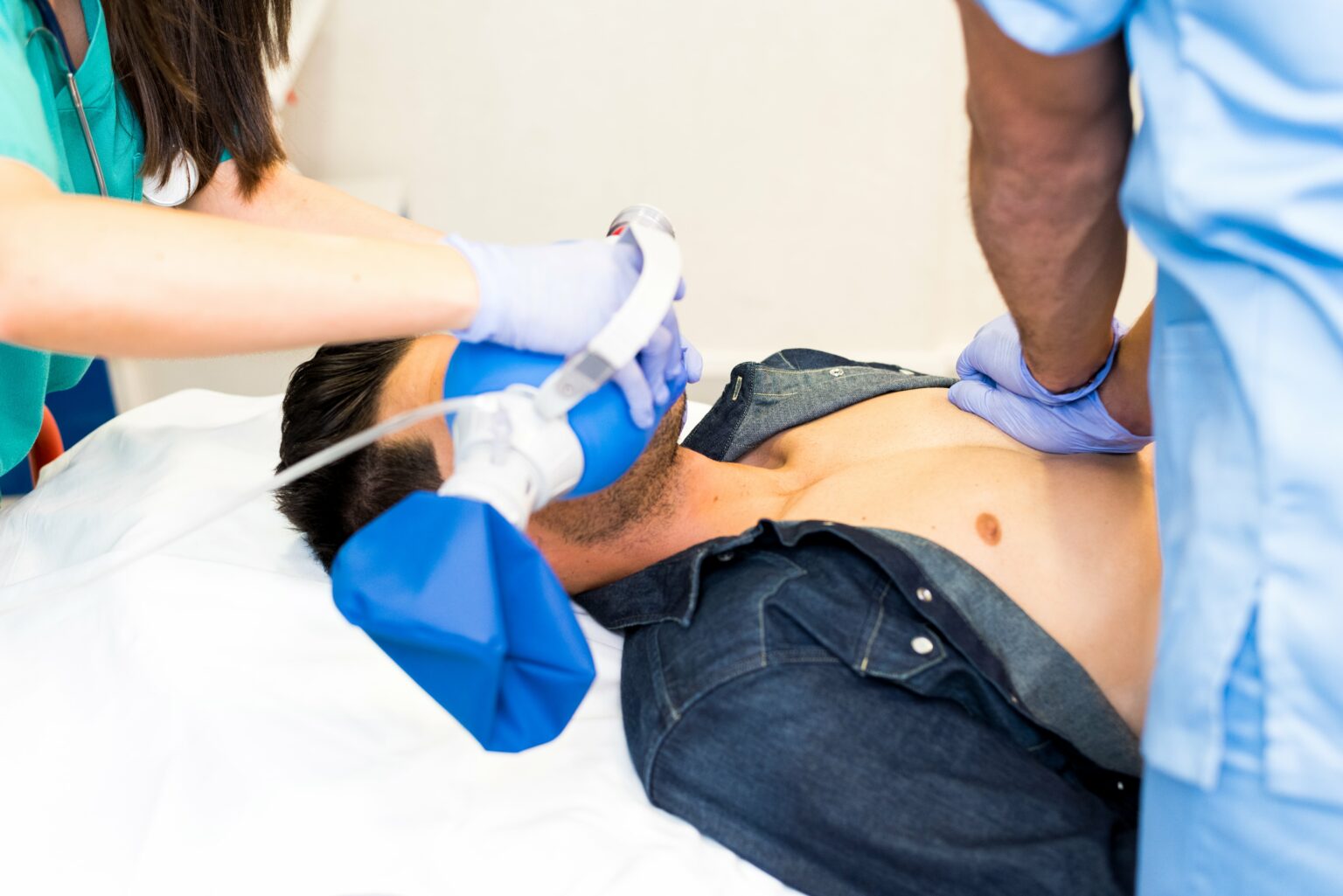
CPR-- or Cardiopulmonary Resuscitation-- is one of the most vital skills discovered in any first aid program. It's made to maintain blood circulation and oxygenation until advanced healthcare can be provided.
The Actions of CPR
Check responsiveness by tapping on their shoulder. Call emergency situation solutions while evaluating breathing. Begin chest compressions at a price of 100-120 per minute. After every 30 compressions, supply 2 rescue breaths if trained. Continue till specialist assistance gets here or you observe indications of life.Common Misconceptions Concerning CPR
Many false impressions surround CPR; below are some explanations:
- You can not injure someone via breast compressions; it's much better than doing nothing. Rescue breaths aren't always essential; hands-only CPR can be reliable in specific situations.
Obtaining Your First Aid Certificate
Completing a qualified program not just furnishes you with crucial skills however also gives main recognition of your competency in first aid practices.
How Long Does a First Aid Certification Last?
Typically, a first aid certification continues to be valid for three years; nevertheless, refresher courses may be suggested extra regularly based on work environment policies or individual preference.
Where Can I Locate First Aid Courses Near Me?
Finding a reputable training course frequently involves browsing online platforms or seeing neighborhood recreation center offering training sessions customized to your needs-- like "first aid program near me" searches!
Mental Health First Aid: Addressing Psychological Needs
While physical injuries commonly take precedence during emergency situations, mental health and wellness situations require equivalent attention. Psychological health first aid concentrates on recognizing signs and symptoms like stress and anxiety attacks or serious depression and knowing just how to react appropriately.
Overview of Mental Wellness First Aid Training
Courses cover numerous topics:
- Understanding mental health and wellness issues Communication strategies Crisis intervention techniques
These skills can significantly enhance office security and personal interactions by cultivating supportive environments.
First Aid Tools Essentials
Having proper tools improves your capacity to react successfully during emergency situations. Here's an introduction:
|Tools|Objective|| -------------------|-------------------------------------------|| Adhesive Bandages|For minor cuts and abrasions|| Disinfectant Wipes|To tidy wounds before clothing|| Gauze Pads|For larger injuries needing absorption|| Non reusable Handwear covers|To secure both responder and person|| Scissors|Useful for cutting clothing or bandages|
Make certain that your regional regulations influence what equipment needs to be included in work environment kits!
Manual Handling Techniques in First Aid
When dealing with injuries needing client transportation or movement support, manual handling techniques come to be necessary components in decreasing more injury risks-- both your own and theirs!
Safe Lifting Techniques
To lift securely:
Bend at your knees-- not your back. Keep your back directly while lifting using leg strength. Avoid turning during lifts; reposition feet instead.These techniques reduce injury dangers for both responders and clients alike!

FAQs regarding First Aid Certification
1. What does "CPR" stand for?
Cardiopulmonary Resuscitation is an emergency procedure performed when a person's heart quits beating effectively or when they quit taking a breath entirely.

2. For how long does it require to finish a conventional first aid course?
Most fundamental courses last between 8-- 12 hours spread over 1 or 2 days depending upon class dimension and layout (in-person/online).
3. Are there complimentary on the internet first-aid programs available?
Yes! Several organizations use free resources online that cover standard concepts without qualification options connected-- excellent for basic expertise enhancement!
4. Can I combine my CPR training with my normal first-aid certification?
Absolutely! Lots of institutions offer packed plans that consist Visit website of both accreditations at discounted prices compared individually taken classes!
5. How typically should I freshen my certification?
It's suggested every three years unless otherwise specified by work policies within certain industries where regular updates might confirm helpful due developing practices!
6. Where do I discover reputable companies using these courses?
Websites like Red Cross Australia feature extensive listings allowing possible pupils gain access to details about neighborhood offerings based upon place inquiries such as "first-aid program Brisbane" or "first-aid training Sydney NSW".
Conclusion
Mastering emergency situation response with reliable training isn't just important-- it's vital! With extensive understanding gained from courses covering subjects like DRSABCD principles together with sensible applications such as CPR strategies combined together with mental health strategies makes sure readiness each time a case develops!
Remember that education and learning doesn't end upon receiving your certificate; remaining updated via refresher courses maintains those lifesaving skills sharp while making certain readiness versus whatever difficulties come our method! So go on-- take charge today by enrolling right into "Mastering Emergency Situation Action: The Ultimate First Aid Program Guide"! Your future self will certainly thanks immensely when faced with unforeseen conditions calling for instant action!
Nationally Recognised First Aid Courses Hervey Bay Locals Trust! First Aid Pro is one of Hervey Bay’s leading providers of accredited CPR and first aid courses. Established in 2010, our nationally registered training organisation (RTO) has equipped over 3 million Australians with essential life-saving skills through our experienced team of over 110 expert trainers. Conveniently located in the heart of Hervey Bay, we offer top-quality, nationally accredited CPR and first aid training sessions tailored to your needs, whether for workplace requirements, career advancement, or personal safety. From childcare-specific first aid to advanced first aid and resuscitation, we’ve got you covered! Secure your Hervey Bay first aid course or CPR training with us and build the confidence to handle emergencies with a trusted Hervey Bay first aid provider. Take the first step towards becoming a skilled and capable first aider with First Aid Pro today!